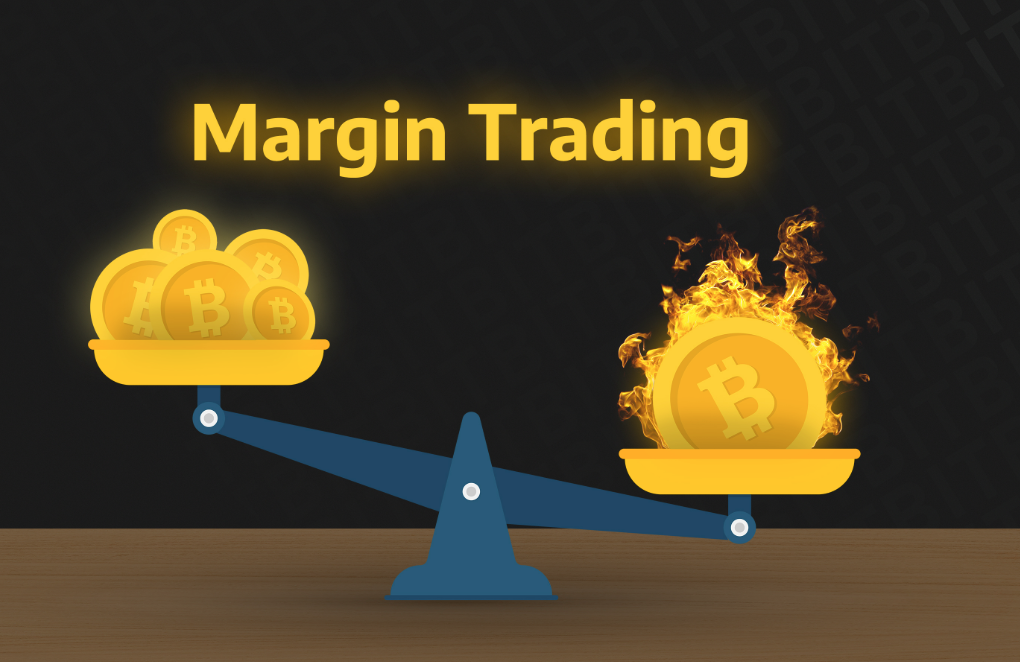
Margin trading in crypto involves borrowing funds to open larger positions than one’s own capital would permit, amplifying both potential gains and losses. It hinges on liquidity, market depth, and funding rates that reflect ongoing costs or rewards for leveraged exposure. The approach enables diversified bets but raises risks of liquidation and margin calls, demanding disciplined risk controls and clear safeguards. For those evaluating this strategy, the complexities and fees create incentives to proceed cautiously and consider the implications before committing capital.
What Is Margin Trading in Crypto?
Margin trading in crypto refers to borrowing funds to open larger positions than the trader’s own capital would permit, with the borrowed amount amplifying both potential gains and losses.
The practice intersects with crypto liquidity, where market depth influences execution and risk.
Funding rates reflect ongoing costs or rewards for maintaining leveraged exposure, shaping short-term profitability and capital efficiency.
How Margin Works: Borrowing, Leverage, and Requirements
Across crypto margin trading, key components shape how positions are opened and maintained: borrowing mechanics, the degree of leverage, and the minimum requirements imposed by lenders and exchanges.
Margin concepts map onto collateral requirements, loan to value limits, and maintenance margin.
Leverage effects interact with funding costs, interest rates, and house rules, influencing position sizing, risk controls, and liquidation thresholds.
See also: How to Maintain Plumbing Safety
Risks and Risk Management: Liquidation, Maintenance, and Safeguards
Liquidation risk remains the central concern in crypto margin trading, driven by price volatility, leverage levels, and maintenance requirements.
This analysis emphasizes risk awareness and disciplined safeguards, including defined margin calls and stop-loss protocols.
Traders should practice scenario planning, stress-testing portfolios under adverse moves, and continuous monitoring to minimize abrupt losses while preserving freedom to adapt strategies.
Getting Started: Practical Steps for Beginners and Best Practices
Is margin trading in crypto approachable for newcomers, or does the complexity and risk require careful, stepwise onboarding?
The section outlines practical onboarding steps, emphasizing verifiable measures: account funding limits, risk dashboards, and trial trades.
It debunks volatility myths with data, monitors funding fees, and recommends conservative leverage.
A disciplined, transparent process supports informed, autonomous participation without churn or overexposure.
Conclusion
Margin trading in crypto amplifies both potential gains and losses, hinging on borrowing costs, leverage, and market depth. As funding rates shift and volatility swells, maintenance margins and liquidations loom, demanding disciplined risk controls and robust dashboards. Practitioners should proceed with clear caps, stop-loss rules, and diversified exposure. In a market echoing murmured shifts—like distant tides—the prudent trader notices risk signals early, balancing opportunity against exposure, and remains anchored by careful, data-driven safeguards.