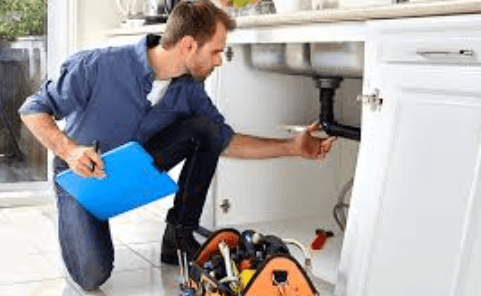
Plumbing safety hinges on proactive awareness and steady action. Regular inspections of joints and fittings, along with monitoring for leaks, pressure, temperature, and unusual vibrations, help detect hidden hazards early. Routine drain flushing and timely repairs reduce risk, while knowing shutoff locations and practicing shutoff drills limit damage. Address odors, moisture, and mold promptly, and call professionals for persistent low pressure, unusual noises, backups, or visible leaks. The next steps detail practical, safe DIY practices that protect people and pipes.
Identify Hidden Plumbing Hazards to Prevent Before They Start
Hidden plumbing hazards often lie unseen until they cause disruption or damage; identifying them early is essential for prevention.
The analysis focuses on hidden hazards, such as hidden leaks behind walls and concealed corrosion, which threaten structural integrity and indoor air quality.
Monitoring pipe pressures, temperature fluctuations, and irregular vibrations enables timely detection, documentation, and corrective action before damage escalates.
Master Routine Maintenance Your Home Needs
Regular proactive maintenance forms the backbone of a safe, efficient plumbing system, building on the awareness of hidden hazards identified previously. Routine checks include inspecting joints for leaks, tightening fittings, testing pressure, and flushing drains to prevent sediment buildup. Address leaky joints promptly and monitor for changes, as proactive care reduces risk of leaks, blockages, and costly emergency repairs from blocked drains.
Spot Warning Signs Where Professional Help Is Needed
Professionalists should be called when certain indicators signal potential underlying failures that exceed routine maintenance, ensuring timely assessment before problems escalate. Detected signs include persistent low water pressure, unusual noises, and sudden increases in bills.
Visual cues matter: leaks causing damage, damp walls, mold growth, and standing water.
Clogs blocking flow and backups indicate compromised pipes, requiring professional inspection and targeted remediation.
See also: The Rise of Ethical Hacking
Make Safe DIY Practices That Protect People and Pipes
Are home plumbing systems safer when occupants actively practice preventive steps that protect people and pipes? Yes, methodical DIY routines reduce hazards and damage. Implement regular tool-inspections, shutoff familiarity, and odor/gas-safety drills.
Emphasize mold prevention by resolving moisture quickly and cleaning traps to prevent growth. Maintain gas leak awareness through detector checks, vent clarity, and professional follow-ups when irregular fumes appear.
Conclusion
A thorough, evidence-based approach to plumbing safety rests on vigilance and action. By identifying hidden hazards, performing routine maintenance, and recognizing early warning signs, homeowners reduce the risk of costly failures. When issues arise, timely professional intervention safeguards both people and pipes. Safe DIY steps can empower effective interim care, but never replace expert assessment for persistent leaks, unusual odors, or low pressure. In practice, proactive care becomes a durable, preventative shield—an ongoing, methodical diligence with lasting household resilience.